Maaden’s aluminium segment produced a standout quarter in Q2 2026. Segment revenue rose 49% year-on-year to about USD 1.01 billion, while EBITDA more than doubled to about USD 411 million. That translated into a 41% EBITDA margin and marked the aluminium business’ best quarterly financial performance since operations began. The quarter also lifted Maaden’s total revenue by 16% to USD 2.9 billion, while group EBITDA reached USD 1 billion and net profit attributable to shareholders increased to USD 600 million for the quarter ended June 30, 2026.
The pricing and cost spread explains much of the record performance. Maaden reported an average realised aluminium price of USD 3,915 per tonne in Q2 2026, up 51% year-on-year, supported by strong regional premiums. One analysis linked that realised price to all-in costs of USD 1,800 to 1,950 per tonne in the same period, reinforcing the operating leverage available to a vertically integrated producer during a tight market. Production eased slightly to 242,000 tonnes in the quarter, showing that the record results were driven more by pricing and margin than by volume growth alone. Maaden also said prices moderated toward the end of the quarter but expects supportive fundamentals, estimating a global aluminium market deficit of around 1.7 million tonnes for the rest of 2026.
Ras Al-Khair Integration Sets Up the Downstream Opportunity
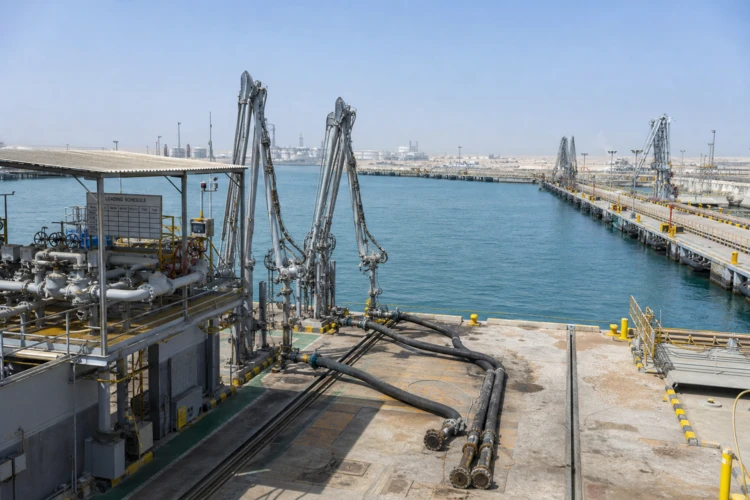
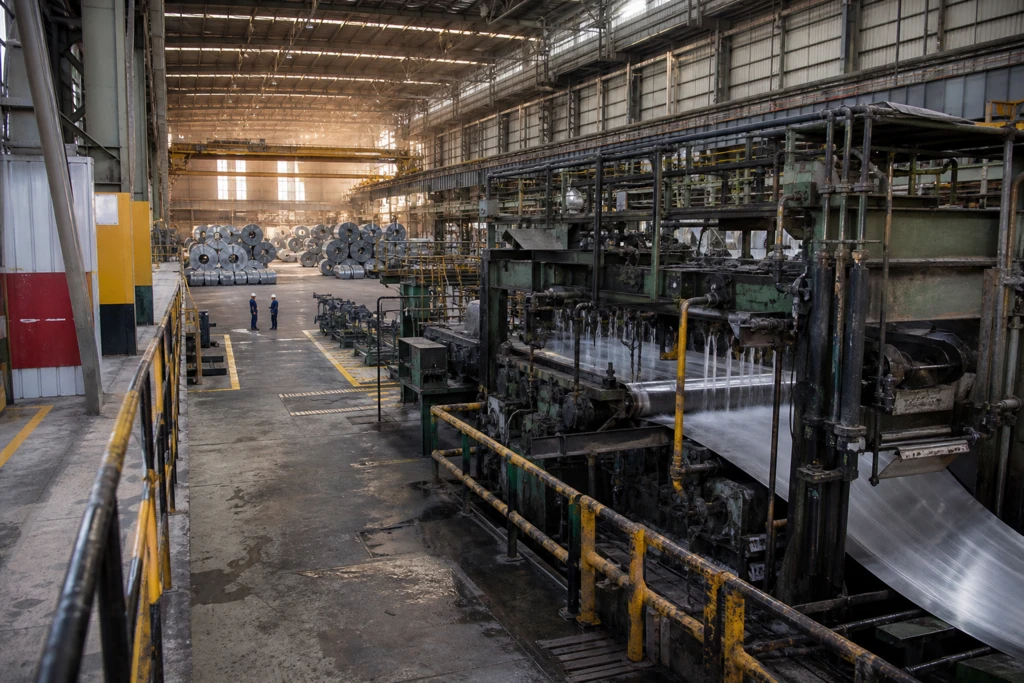
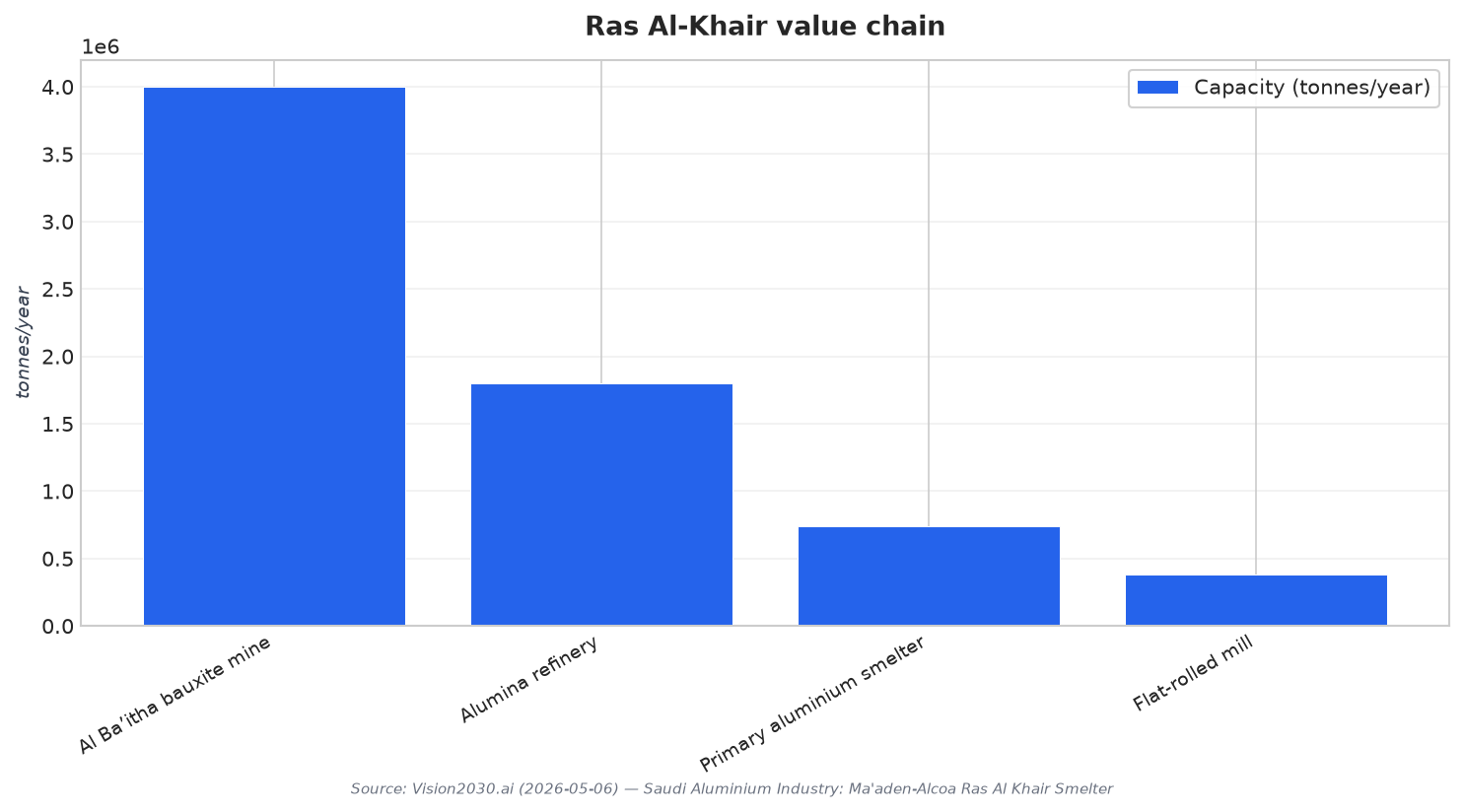
Maaden’s platform at Ras Al-Khair is built to capture value beyond primary metal. Saudi Arabia’s aluminium industry is structured around a linked chain that runs from the Al Ba’itha bauxite mine through refining, smelting, and rolling on one industrial site. The footprint described includes a 4 million tonne-per-year bauxite mine, a 1.8 million tonne alumina refinery, a 740,000 tonne-per-year primary aluminium smelter, and a 380,000 tonne flat-rolled mill. Total invested capital across the value chain has run above USD 10.8 billion since first metal in 2013, positioning integration as a core driver of competitiveness as well as a base for deeper fabrication.
Control has also tightened, which matters for downstream execution speed. Ma’aden Aluminium Company and Ma’aden Bauxite and Alumina Company were originally established as a 74.9/25.1 joint venture between Saudi Arabian Mining Company and Alcoa Corporation. In August 2024, Alcoa announced an agreement to sell its 25.1% stake to Maaden for approximately 86 million Maaden shares (worth roughly USD 1.2 billion at the time) plus USD 150 million in cash. The transaction closed on 1 July 2025, and Alcoa booked a roughly USD 780 million accounting gain in its Q3 2025 results. With that buyout, Maaden consolidated the aluminium value chain under 100% Saudi ownership for the first time, enabling a more unified approach to rolling, fabrication tie-ups, and recycling investments.
The downstream opportunity is now widening in parallel with new capacity planning and recycling. A Maaden aluminium recycling plant at Ras Al-Khair was greenlit in 2024, with planned capacity described as in the high tens of thousands of tonnes per year of secondary aluminium. On the growth side, one analysis points to more than USD 20 billion in committed sovereign capital spanning Ras Al-Khair and the new Yanbu greenfield complex. It also frames demand catalysts that could pull aluminium consumption toward a 1.6 to 1.8 million tonne target by 2030, including the confirmed 2034 FIFA World Cup infrastructure pipeline, Lucid Motors’ 155,000-vehicle EV plant, and a 30-million solar panel frame facility at Sudair. Independent forecasters project 2.9% to 6.8% CAGRs to 2030, so the key question is how quickly downstream fabrication capacity data, expected in 2027 and 2028, converts ambition into measurable throughput.
What made Maaden’s aluminium results hit a record in Q2 2026?
How much aluminium did Maaden produce in Q2 2026?
What assets make Ras Al-Khair an integrated aluminium value chain?
How does ownership consolidation affect the Maaden aluminium business strategy?
What is Maaden doing on recycling, and what scale is planned?