OPEC+ agreed to raise August 2026 production quotas by 188,000 barrels per day at a virtual meeting on 5 July 2026. The decision covered seven countries still bound by the April 2023 voluntary adjustments: Saudi Arabia, Russia, Iraq, Kuwait, Kazakhstan, Algeria and Oman. Saudi Arabia and Russia each received an identical 62,000 bpd share. That lifted Saudi Arabia’s required production level to 10.416 million bpd for the month, even as multiple reports described the move as more about ceilings than immediate flows. Analysts cited by Al Jazeera framed the increases as a “paper formality” because actual barrels had been constrained for months by the Strait of Hormuz disruption.
The quota-versus-production gap is central to interpreting the policy signal. One analysis noted that in June 2026 Saudi Arabia pumped 7.34 million bpd against an implied target of about 10.29 million bpd, a gap of roughly 2.95 million bpd. Across the wider group with production targets, output sat 7.51 million bpd below its collective ceiling. In parallel, OPEC+’s August step was described as the fifth consecutive monthly hike since April 2026, part of a structured unwind of the production discipline agreement adopted in 2023. That original agreement cut output by 1.65 million bpd across the group, and the mid-2026 unwind is designed to restore barrels gradually rather than all at once.
Revenue Scenarios When Quotas Rise but Exports Lag
Saudi oil revenue scenarios in this setup depend less on announced quota math and more on how much crude can physically clear export constraints. Saudi Arabia’s crude oil production capacity is described at roughly 12 million barrels per day, with sustainable maximum capacity publicly defended at 12.0–12.3 mbd. Typical crude export volumes are described as ranging between 6 and 8 mbd, varying with production levels, OPEC+ quota constraints, domestic refinery intake and storage decisions. Against that backdrop, one scenario is “quota up, barrels still stuck,” where targets rise but exports cannot fully respond, leaving the quota-production spread intact. Another is “quota up, exports recovering,” where easing constraints allow shipping volumes to catch up to targets, tightening the link between paper allowances and cash-generating exports.
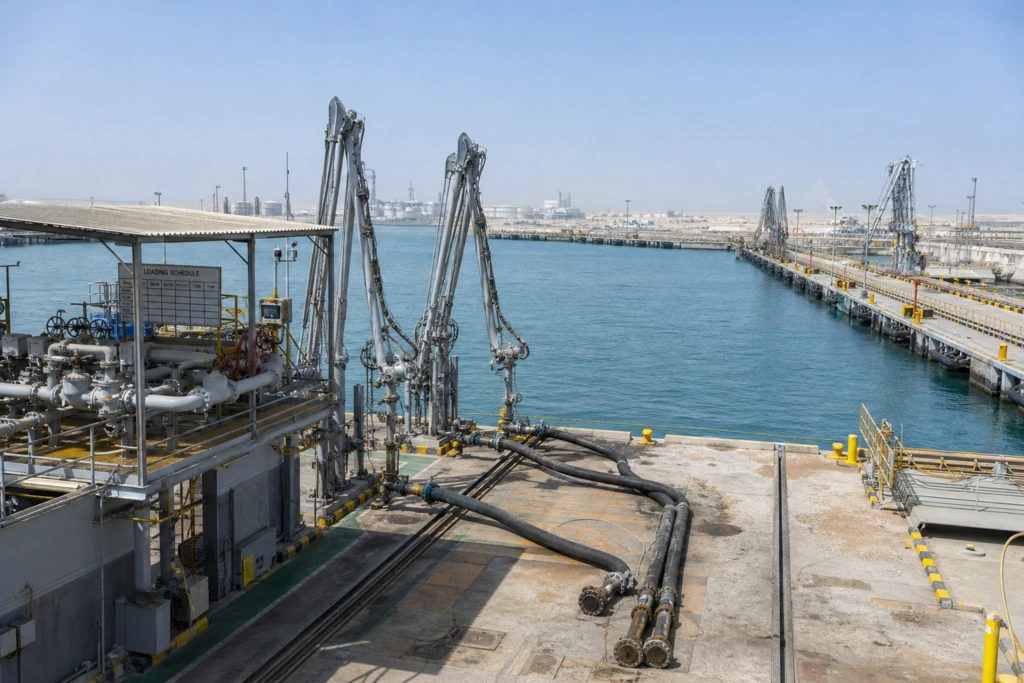
By mid-2026, multiple sources emphasized that the real constraint had been logistics and conflict rather than formal limits. Al Jazeera cited an IG analyst saying Saudi Arabia had more than doubled shipping volume since June 17 compared with the prior three months combined, while also noting that easing constraints were driving prices down. Later in 2026, Rigzone reported that Saudi output surged to one of the highest levels in years and was slightly higher than the country’s OPEC quota, alongside elevated levels in Iraq. Those developments mattered because they provided a rationale for the earlier sequence of quota increases agreed during the conflict, when export disruptions forced supplies to be shuttered. The same reporting also pointed to market effects: physical barrels showing up as consumption remained constrained, weakening price differentials and creating some signs of surplus.
Looking forward, the quota discussion increasingly blends with capacity verification and 2027 planning. Rigzone noted a review of maximum production capacity in individual OPEC+ members was due to be completed in coming days, with the full alliance using the assessment when it meets online on Nov. 29 to deliberate output targets for 2027. This process can reshape how binding any Saudi Arabia OPEC+ production quota feels in practice, because it recalibrates what members are judged technically able to pump. For Saudi Arabia, the fiscal framing is explicit: one export-focused briefing described fiscal breakeven plateaus in the $80–95 range, underscoring why restoring export volumes after disruption can matter as much as the headline quota path.
What did OPEC+ decide for August 2026 output targets?
How did the August 2026 quota change affect Saudi Arabia’s target?
Why were the mid-2026 OPEC+ quota increases described as “paper” moves?
What ranges were cited for Saudi production capacity and typical crude exports?
How does the Saudi Arabia OPEC+ production quota debate connect to 2027 targets?